
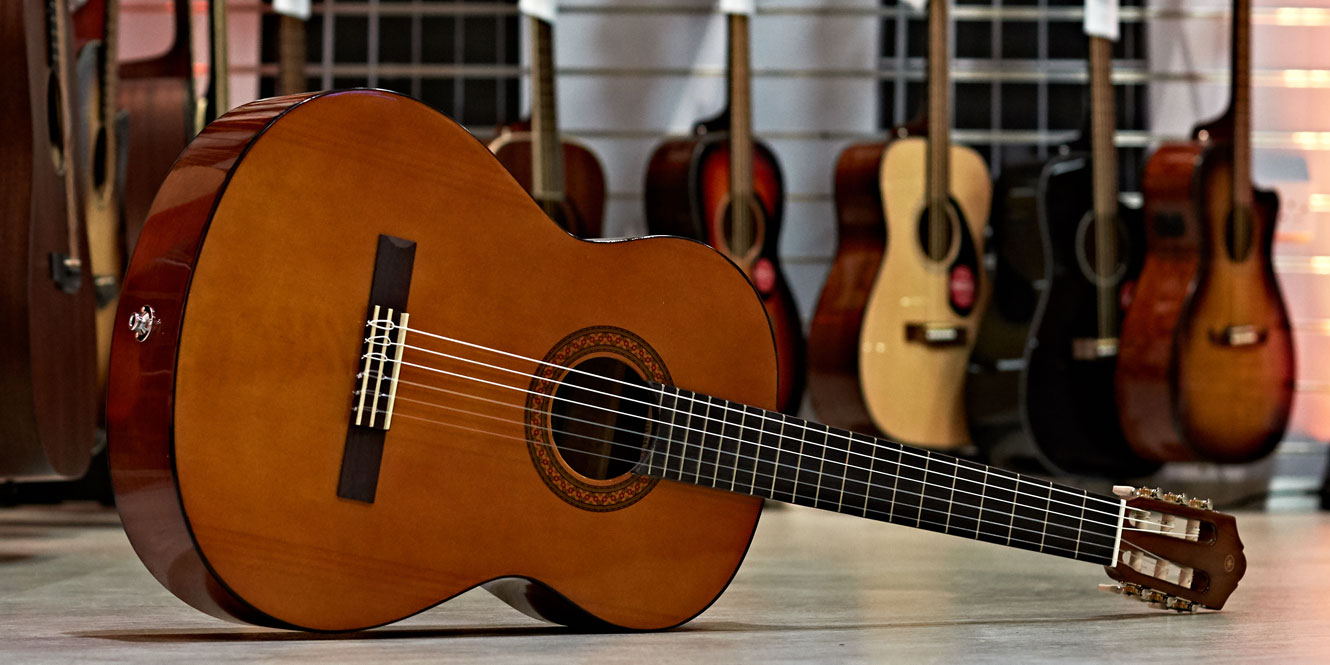
What is an acoustic guitar?
If you are a beginner, an important first step is buying a guitar that is suitable for the types of music that you will be learning and playing.
The following information and suggestions are about buying an acoustic guitar (not an electric guitar).

All guitars produce sound through the vibration of strings. Acoustic guitars transmit the vibration of the strings to the soundboard via the bridge. The resonance of the sound is amplified in the soundbox or body of the guitar
When buying a guitar should I choose a nylon string, or a steel string guitar?
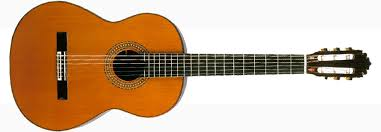
The classical or nylon string guitar has three nylon strings and three wound silver plated strings. It has a wider fingerboard than the steel string guitar.
The steel string guitar has three smooth metal strings and three wound metal strings.
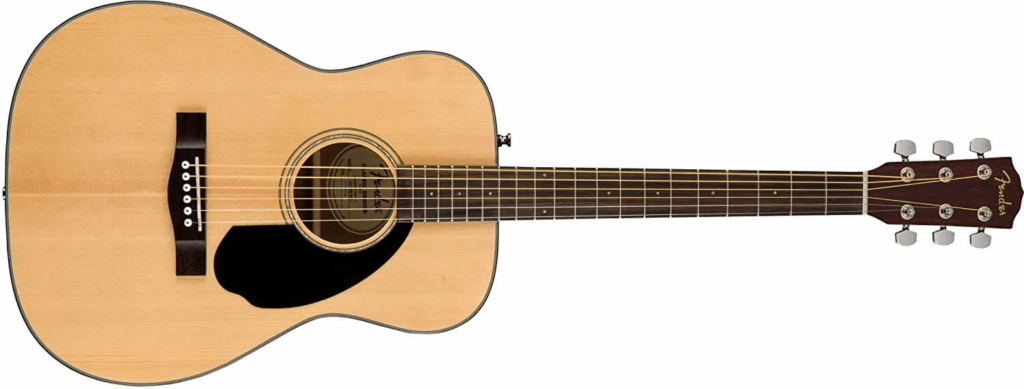
Both types are suitable for finger-style playing, and each has its own distinct feel and sound.
Steel string guitars are especially good for blues and pop. The classical guitar works well, and sounds good for a wide range of musical styles that are played fingerstyle (including classical, Spanish, folk, blues etc.)
Because of the versatility of the classical instrument, I recommend this type to all my students when buying a guitar. At the time of writing prices ranged from around $150 to $3,000 for a factory made instrument and up to $8,000 for a hand-made instrument by a famous maker.
For most beginners, a classical guitar in the price range of $150 to $400 is fine.
Buying a guitar for young children
Half size, three quarter size classical guitars are available and I recommend these for younger children.

Further details about the two types of acoustic guitars
Sound quality . . .
The classic guitar’s nylon strings produce a round, full sound which is ideal for classical, styles (Renaissance, Baroque, Classical. Romantic and contemporary) Spanish and Latin plus instrumental arrangements of many blues, pop and folk styles).
Steel-strings produce a bright, metallic sound that particularly suits blues, country & western and many folk styles).
String tension . . .
The classic guitar has a relatively low string tension compared to a steel string guitar. This means that less pressure and strength is needed for the left hand fingers.
Fingerboard . . .
The fingerboard of a classical guitar is wider than the steel string. It is designed for the intricate finger actions of both hands needed for advanced playing. In contrast, the narrow fingerboard of a steel-string guitar suits rapid single line playing with a pick.
Body shapes . . .
Acoustic steel-string guitars come in a variety of shapes for example: jumbo, dreadnought and the smaller folk guitar. The steel string guitar developed in the USA during the late 19th century. The classical guitar comes in one basic ‘classic’ shape that gradually evolved in Europe from the 14th century to the present day.
When you enrol for lessons, your teacher should be able to help you in choosing and buying a guitar that is right for you.
